PTSD Treatment Florida – Telehealth Psychiatrist Care in Tampa
Post-traumatic stress disorder (PTSD) is a serious, clinically recognized mental health condition that develops after exposure to a traumatic event — including combat, domestic violence, car accidents, or childhood abuse. Mindbrook Comprehensive Mental Health Care delivers evidence-based PTSD treatment in Florida through secure telehealth sessions, serving adults across Tampa, the USF area, and Wesley Chapel with psychiatric evaluations, medication management, and trauma-focused therapy.
Ready to start your recovery?
Schedule your free 15-minute consultation with Mindbrook today
Click HereUnderstanding PTSD
PTSD affects approximately 3.5% of U.S. adults every year, according to the National Institute of Mental Health (NIMH). In Florida, where hurricanes, high traffic accident rates, and military veteran populations are significant, PTSD rates trend above the national average. Left untreated, PTSD disrupts relationships, job performance, physical health, and quality of life.
PTSD is not a sign of weakness. It is a neurological and psychological response to overwhelming trauma — and it responds well to treatment when addressed early by a qualified PTSD psychiatrist or trauma specialist.
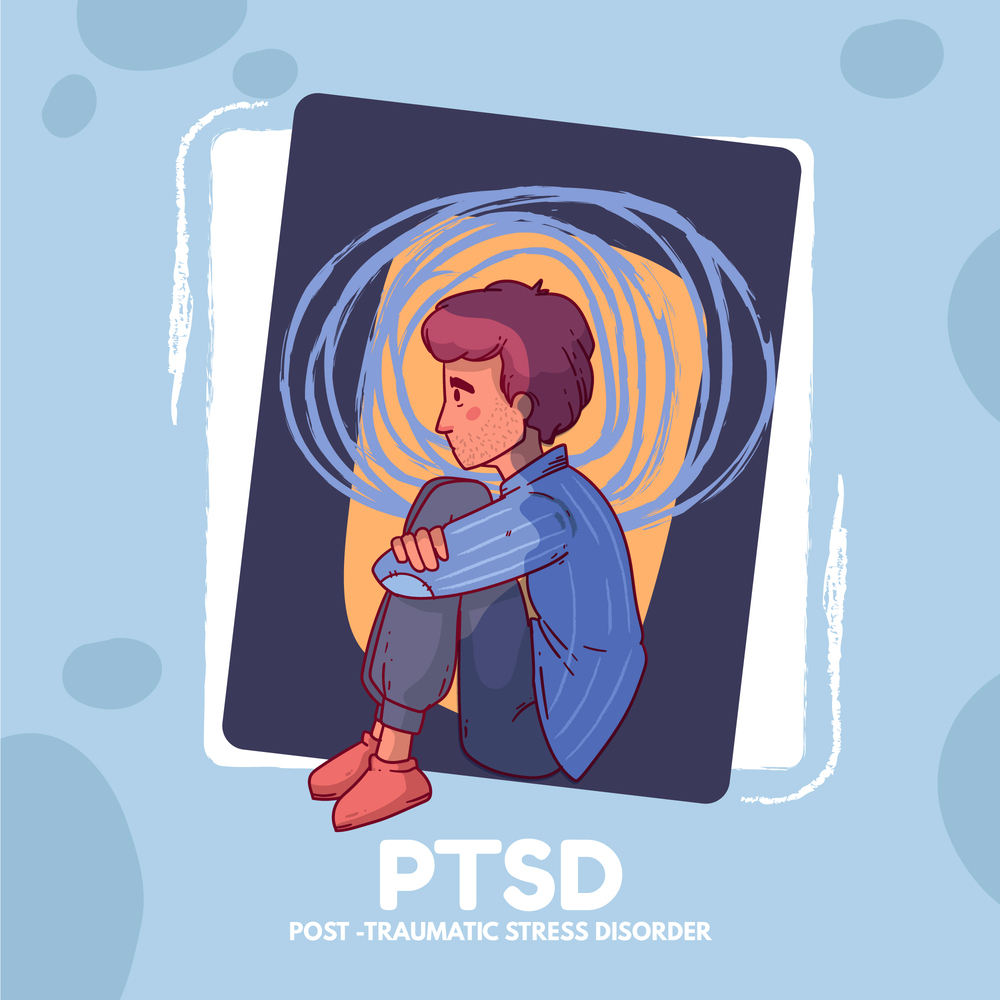
Trauma vs. PTSD Explained
Many people experience trauma. Not everyone develops PTSD. Here is the clinical distinction:
| Feature | Trauma Response | PTSD |
|---|---|---|
| Duration | Days to a few weeks | 1 month or longer |
| DSM-5 Diagnosis | No formal diagnosis | Formally diagnosed (DSM-5 Criterion A–H) |
| Functional Impairment | Mild, temporary | Significant, ongoing |
| Treatment Required | Supportive care | Evidence-based clinical treatment |
| Medications | Usually not needed | Often part of treatment plan |
| Intrusive Symptoms | Occasional | Persistent (flashbacks, nightmares) |
Criterion A (DSM-5) requires direct exposure to death, threatened death, actual or threatened serious injury, or actual or threatened sexual violence. If your symptoms have lasted more than 30 days and significantly impair your daily functioning, you may meet the diagnostic criteria for PTSD.
Free Online PTSD Test Tool
A structured self-assessment helps you recognize symptoms before your first appointment. The PCL-5, developed by the U.S. Department of Veterans Affairs, is the gold-standard PTSD screening tool and takes under 5 minutes to complete online.
What a free PTSD test can tell you:
- Whether your symptoms align with PTSD diagnostic criteria
- The severity rating of your current symptom clusters
- Whether you should seek a formal psychiatric evaluation
Mindbrook accepts new patients across Florida via telehealth.
Book your psychiatric evaluation now
Click HereBenefits of Treatment for PTSD
Symptom reduction
Clinically significant decreases in flashback frequency, hypervigilance, and avoidance behaviors
Improved sleep quality
Targeted medication management and behavioral interventions reduce trauma-related insomnia
Restored daily function
Patients return to work, social relationships, and previously avoided activities
Lower risk of co-occurring conditions
Treated PTSD reduces the risk of developing secondary depression, substance use disorders, and chronic anxiety
Reduced physical health burden
PTSD increases cardiovascular disease risk; treatment measurably lowers stress hormone levels
Long-term remission
Evidence-based treatment, particularly CPT and EMDR, produces durable results that persist beyond the active treatment phase
Why Mind-Brook for PTSD Care
Mindbrook Comprehensive Mental Health Care is built on a foundation of clinical expertise, patient-centered care, and evidence-based psychiatric practice. Every treatment plan begins with a comprehensive psychiatric evaluation and is tailored to the individual — not a generic protocol.
Best PTSD Psychiatrist in Tampa
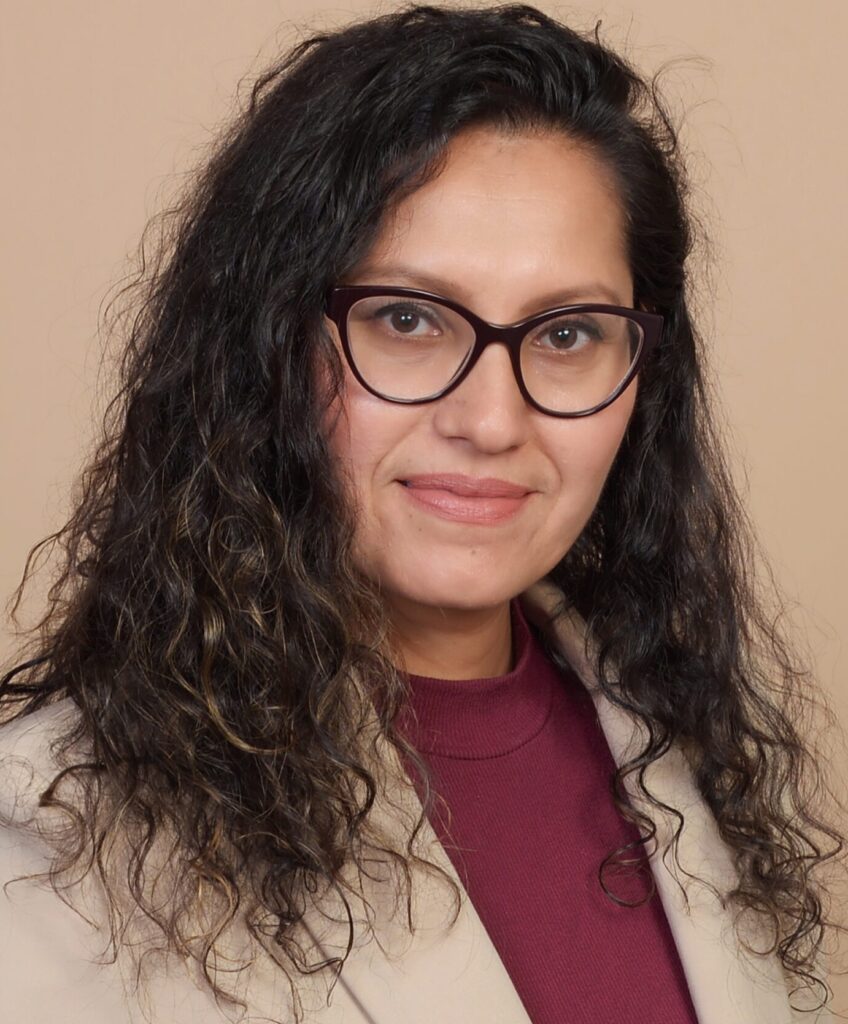
Dr. Shrestha is a dual board-certified psychiatric and primary care nurse practitioner with over 15 years of clinical experience. She holds a Master of Science from New York University and a Doctorate from Rutgers University — two of the most rigorous academic institutions in psychiatric nursing.
Her clinical approach integrates:
- Psychiatric medication management for PTSD, anxiety, and co-occurring depression
- GeneSight pharmacogenomic testing to identify which medications are most compatible with your genetic profile
- Holistic treatment planning that addresses physical, emotional, and psychological dimensions of trauma
Dr. Manita Shrestha creates a structured, non-judgmental clinical environment where patients can communicate openly about their trauma history, symptom severity, and treatment goals.
Serving USF and Wesley Chapel Areas
Mindbrook’s telehealth model means students at the University of South Florida, professionals in Wesley Chapel, and residents across Hillsborough and Pasco Counties access high-quality psychiatric care without traveling to a physical office.
Service areas include:
- Tampa and surrounding Hillsborough County
- Wesley Chapel and Pasco County
- USF area and New Tampa
- Virtual sessions available statewide across Florida
Virtual Mental Health for Targeted Audiences
Mindbrook serves specific populations with distinct PTSD treatment needs:
Veterans and Military Personnel
Combat-related PTSD requires specialized clinical understanding of military cultuare, deployment stressors, and moral injury. Mindbrook’s telehealth model provides discreet, accessible psychiatric care for veterans who prefer privacy over in-person VA settings.
First Responders
Police officers, firefighters, and paramedics in Tampa and across Florida face repeated occupational trauma. Mindbrook understands the unique stigma barriers first responders face and provides confidential, schedule-flexible telehealth appointments.

Domestic Violence Survivors
PTSD following domestic violence presents with specific symptom patterns including hypervigilance, shame-based cognitions, and interpersonal trust deficits. Mindbrook’s trauma-informed approach prioritizes safety, pacing, and survivor autonomy throughout treatment.

Women with PTSD
Women develop PTSD at roughly twice the rate of men, often following sexual assault, childhood abuse, or intimate partner violence. Mindbrook offers a private, telehealth environment that prioritizes comfort and clinical sensitivity for women navigating complex trauma.

Young Adults and Students Near USF
College trauma — including sexual assault, academic pressure, and family instability — can trigger PTSD that goes unrecognized. Mindbrook provides accessible psychiatric care for students who need clinical support without campus stigma.
Proven Results and Testimonials
Mindbrook’s patients consistently report meaningful improvement in sleep quality, emotional regulation, social relationships, and workplace function following structured psychiatric treatment.
Top PTSD Treatment Options in Florida
Evidence-Based PTSD Therapy Florida (EMDR, CPT)
The following therapies carry the strongest evidence base and are recommended by the APA, VA, and Department of Defense for PTSD treatment:
Cognitive Processing Therapy (CPT) CPT is a 12-session structured therapy that addresses distorted trauma-related beliefs. Patients learn to identify and challenge “stuck points” — unhelpful thoughts like “It was my fault” or “I can never be safe again.” CPT is effective for PTSD from sexual assault, combat, accidents, and domestic violence.
Eye Movement Desensitization and Reprocessing (EMDR) EMDR uses bilateral stimulation (guided eye movements) while the patient recalls traumatic memories. This process allows the brain to reprocess the memory without the same emotional charge. Studies show EMDR produces significant symptom relief in 6–12 sessions for many patients.
Prolonged Exposure (PE) Therapy PE involves gradual, structured exposure to trauma memories and avoided situations. By repeatedly approaching these memories in a safe clinical environment, the brain learns that the memory is not the same as the danger — and fear responses reduce over time.
Trauma-Focused Cognitive Behavioral Therapy (TF-CBT) TF-CBT integrates trauma processing with standard CBT techniques. It is particularly effective for adults with complex PTSD and those with co-occurring depression or anxiety disorders.
PTSD Medication Management Tampa
Medication does not cure PTSD, but it significantly reduces symptom burden and creates the neurological stability needed for therapy to work. Mindbrook’s psychiatric nurse practitioner, Dr. Shrestha, provides medication management as part of an integrated PTSD treatment plan.
Telehealth PTSD Treatment Advantages
- Avoidance is a core PTSD symptom — telehealth meets patients where they are, reducing the barrier of leaving home
- Privacy is protected — sessions occur in a safe, controlled environment of your choosing
- Continuity of care — weather events, mobility issues, or work schedules do not interrupt treatment
- Equal clinical outcomes — a 2020 Journal of Anxiety Disorders meta-analysis found telehealth PTSD treatment produced outcomes equivalent to in-person treatment
Access to specialists — patients in rural Florida or underserved areas access board-certified psychiatric expertise without traveling to Tampa
Mindbrook’s psychiatric evaluation identifies whether a patient presents with standard PTSD or complex PTSD and adjusts the medication management and referral plan accordingly.
IMP NOTE:
Mindbrook is licensed in the State of Florida and New Jersey. All care is delivered by a board-certified psychiatric nurse practitioner with 15+ years of clinical experience.
FAQs
Mindbrook’s Dr. Shrestha is a dual-certified psychiatric and primary care nurse practitioner with over 15 years of experience treating trauma and PTSD. She holds a doctorate from Rutgers University, uses evidence-based treatment protocols, and provides individualized medication management through secure telehealth sessions serving Tampa and all of Florida. She offers a free 15-minute phone consultation for new patients.
Yes. A 2020 meta-analysis published in the Journal of Anxiety Disorders found that telehealth PTSD treatment produces clinical outcomes equivalent to in-person treatment. For PTSD specifically, telehealth offers an added advantage — it reduces avoidance barriers that prevent many trauma survivors from attending in-person appointments.
The American Psychological Association recommends four therapies as first-line PTSD treatments: Cognitive Processing Therapy (CPT), Prolonged Exposure (PE), EMDR, and Trauma-Focused CBT. The best therapy for you depends on your trauma type, symptom profile, and personal preferences. Mindbrook’s psychiatric evaluation identifies which approach fits your clinical picture.
Evaluate any Florida PTSD treatment center on five criteria:
(1) Credentials of the treating clinician,
(2) Evidence-based treatment protocols used,
(3) Telehealth availability,
(4) Insurance acceptance,
(5) Specialization in your specific trauma type.
Mindbrook meets all five criteria and offers a free consultation to assess fit before you commit to care.
The FDA has approved two medications specifically for PTSD: sertraline (Zoloft) and paroxetine (Paxil), both SSRIs. Venlafaxine (Effexor, an SNRI) and prazosin (for nightmares) are commonly prescribed off-label. Mindbrook’s psychiatric evaluation includes a medication review and, when appropriate, GeneSight testing to match medications to your genetic profile.
Yes. Telehealth PTSD treatment is clinically effective and approved by the VA, APA, and major insurance carriers. Studies confirm equivalent outcomes to in-person treatment. For Florida patients with avoidance symptoms, mobility limitations, or rural locations, telehealth removes the most common barriers to accessing quality psychiatric care.
Standard PTSD typically stems from a single traumatic event and responds to 12–20 sessions of CPT, PE, or EMDR. Complex PTSD (C-PTSD) develops from prolonged, repeated trauma and requires a phased treatment approach: safety stabilization first, then trauma processing, then integration. C-PTSD often requires longer treatment with additional focus on emotional regulation and self-concept repair.
The PCL-5 (PTSD Checklist for DSM-5) is a free, validated self-assessment tool available through the VA National Center for PTSD website. It takes under 5 minutes and provides a symptom severity score. Mindbrook also offers a free 15-minute phone consultation where a clinician can discuss your symptoms and recommend next steps — at no cost to you.
Most major insurance plans cover psychiatric evaluation and medication management for PTSD. Mindbrook accepts multiple insurance plans — contact the office directly to verify your specific coverage. Under the Mental Health Parity and Addiction Equity Act (MHPAEA), insurers must cover mental health treatment on par with physical health treatment.
PTSD is treatable and, in many cases, patients achieve full remission — meaning they no longer meet diagnostic criteria for the disorder. The APA reports that 53% of patients completing CPT no longer meet PTSD criteria post-treatment. While some patients manage residual symptoms long-term, evidence-based treatment consistently produces significant, durable improvement in quality of life, function, and wellbeing.
Veterans in Florida benefit most from trauma-focused psychiatric care that understands military culture, moral injury, and service-related trauma. Evidence-based therapies — CPT and PE — are strongly recommended by the VA and Department of Defense. Mindbrook’s telehealth model serves Florida veterans with discreet, flexible, board-certified psychiatric care, without requiring VA system navigation.
Yes. Domestic violence-related PTSD requires trauma-informed care that prioritizes safety, autonomy, and pacing. Treatment addresses hypervigilance, shame cognitions, and interpersonal trust deficits that are specific to intimate partner violence trauma. Mindbrook’s telehealth model provides a private, safe environment — particularly important for survivors whose abuser may have controlled their access to care.
Outpatient PTSD treatment — like Mindbrook’s telehealth psychiatric care — involves regular appointments (typically weekly or biweekly) while you maintain your home, work, and daily life. Inpatient or residential treatment involves 24/7 supervised care in a facility, typically for 30–90 days. Outpatient treatment is appropriate for most adults with PTSD. Inpatient care is reserved for severe cases involving safety concerns or treatment-resistant symptoms.
Yes. Mindbrook provides telehealth psychiatric services to students and residents throughout the University of South Florida area, New Tampa, and surrounding Hillsborough County. No commute is required — appointments are conducted via secure video from any location in Florida or New Jersey.
Mindbrook provides comprehensive PTSD medication management in Tampa via telehealth, including initial psychiatric evaluation, medication prescribing (SSRIs, SNRIs, prazosin, and adjunct medications), GeneSight pharmacogenomic testing, and ongoing monitoring and adjustment. All medication management is conducted by a doctorate-level, board-certified psychiatric nurse practitioner.
Car accident PTSD symptoms include intrusive flashbacks of the crash, nightmares, avoidance of driving or riding in vehicles, hypervigilance on roads, exaggerated startle response to traffic sounds, emotional numbness, and persistent anxiety. These symptoms can appear days to weeks after the accident and often go unrecognized as PTSD. If symptoms persist beyond 30 days, a psychiatric evaluation is recommended.
Yes. Women develop PTSD at twice the rate of men and often require care that addresses sexual trauma, intimate partner violence, postpartum trauma, and gender-specific shame responses. Mindbrook’s telehealth model provides a private, comfortable clinical environment where women can access board-certified psychiatric care without physical office barriers.
A free online PTSD test — typically the PCL-5 — is a validated 20-item questionnaire that measures PTSD symptom severity. Results indicate whether your symptom profile aligns with PTSD diagnostic criteria and how severe your symptoms are. Use results as a clinical starting point, not a definitive diagnosis. Bring your score to your Mindbrook consultation so the clinician can contextualize your results within a full psychiatric evaluation.
Complex PTSD treatment in Florida involves a phased clinical approach: Phase 1 focuses on safety, stabilization, and building coping skills. Phase 2 addresses trauma processing using modified CPT, EMDR, or narrative exposure techniques. Phase 3 focuses on identity integration, relationship repair, and sustaining remission. Medication management supports emotional regulation throughout all phases. Mindbrook evaluates for C-PTSD during the initial psychiatric evaluation.
Contact Mindbrook Today
Mindbrook Comprehensive Mental Health Care Telehealth psychiatric services across Florida and New Jersey
PTSD does not resolve on its own without treatment. Every week without clinical care is another week of disrupted sleep, strained relationships, and suppressed quality of life. Mindbrook’s board-certified psychiatric team delivers the evidence-based treatment you need — on your schedule, in the privacy of your own space.