You finish the work, but never the easy way. You lose two hours without noticing. You forget the appointment you set three alarms for. Tasks that other people do on autopilot leave you drained. Someone may have called you lazy, scattered, or too sensitive. For some adults, the cause is ADHD that nobody ever looked for.
Adult ADHD rarely looks like the hyperactive child people picture. It shows up as late arrivals, half-finished projects, a racing mind at night, and a harsh inner critic. This guide covers 10 signs of ADHD in adults that are easy to miss, who gets missed most often, how ADHD differs from anxiety and burnout, and how a clinician confirms a diagnosis.
Quick answer: The adult ADHD signs that get missed most are trouble starting tasks, losing track of time, forgetting things despite reminders, inner restlessness, strong reactions to criticism, racing thoughts at night, and long bursts of hyperfocus. People mistake them for laziness, anxiety, or stress. A clinician diagnoses ADHD only when symptoms began before age 12, appear in two or more settings, and interfere with daily life.
Byline: MindBrook Psychiatry | Clinical review: Dr. Manita Shrestha, DNP, PMHNP-BC [confirm sign-off before publishing] | Published October 29, 2026
How common is adult ADHD? About 6% of U.S. adults
A 2024 CDC report estimated that 6.0% of U.S. adults, about 15.5 million people, have a current ADHD diagnosis. The numbers come from a 2023 national survey in which adults reported their own diagnosis. More than half of them (55.9%) were diagnosed at age 18 or older.
That second number matters. It shows that ADHD is often recognized years after symptoms begin. The diagnostic rules require symptoms before age 12, yet many adults first hear the word ADHD at 30, 40, or later.
Why adult ADHD symptoms get missed
Symptoms change with age
The National Institute of Mental Health (NIMH) reports that inattentive symptoms tend to continue as people age, while hyperactivity and impulsivity are more likely to decline. A child who ran around the classroom becomes an adult who bounces a leg, overbooks the calendar, or cannot relax on a day off.
Coping skills hide the problem
Color-coded planners, five alarms, last-minute sprints, and a job that matches your interests can cover symptoms for years. These systems work until a bigger workload, a new baby, or a job change adds more than they can hold. NIMH notes that supportive parents and teachers, or a milder form of ADHD, can delay recognition until adult demands rise.
Other diagnoses come first
A review in BJPsych Advances found that clinicians often recognize the conditions that travel with adult ADHD, such as mood disorders, anxiety, and substance misuse, while the ADHD underneath goes unnoticed. You can be treated for anxiety for years and still have untreated ADHD.
Girls and women were missed in childhood
NIMH states that ADHD symptoms in girls and women are especially likely to have been missed in childhood. The gap in diagnosis rates between men and women narrows in adulthood, which suggests many women are diagnosed late.
10 signs of ADHD in adults that get missed
Each sign carries a label. Core means it matches a symptom in the DSM-5 diagnostic criteria. Associated means clinicians see it often in adults with ADHD, but it is not a diagnostic criterion on its own. No single sign means you have ADHD. Patterns that last and cause problems matter.

If you were a high-achieving student
1. Trouble starting tasks, even easy ones
What it looks like: You know what to do, you have the time, and you still cannot begin. Paying one bill or answering one email can take all afternoon, while a large project feels easier once you are inside it.
What people mistake it for: Laziness, low motivation, or plain procrastination.
Why it links to ADHD: Executive function is the brain system that plans, starts, and switches between tasks. In ADHD it works less reliably. This sign connects to DSM-5 items about following through on tasks and avoiding work that needs sustained mental effort.
Label: Core
2. Time blindness: losing track of how long things take
What it looks like: Twenty minutes feels like five. You set several alarms and still arrive late. You underestimate how long a task takes, then finish it at the last minute.
What people mistake it for: Poor discipline or not caring about other people’s time.
Why it links to ADHD: Time blindness describes trouble sensing time as it passes and planning around it. It reflects problems with planning and organization, two ADHD symptom areas.
Label: Associated
3. Forgetting even with planners and alarms
What it looks like: You walk into a room and forget why. You miss appointments you wrote down. You lose keys, your phone, or the thread of a conversation.
What people mistake it for: Carelessness, stress, or early memory decline.
Why it links to ADHD: Working memory holds information for the next few seconds or minutes while you use it. DSM-5 lists forgetfulness in daily activities and losing items needed for tasks.
Label: Core
4. Inner restlessness instead of visible hyperactivity
What it looks like: You sit still in a meeting while your mind jumps between five topics. You feel uneasy on a quiet evening. You need to do two things at once, such as watching a show while scrolling your phone.
What people mistake it for: Anxiety, stress, or a “type A” personality.
Why it links to ADHD: Hyperactivity tends to decline with age, and in adults it often turns inward. DSM-5 includes feeling restless as an adult symptom.
Label: Core
5. Hyperfocus: deep focus on interesting tasks
What it looks like: You spend six hours on a hobby or project, skip meals, ignore messages, and lose track of the day. Then a dull 20-minute task feels impossible.
What people mistake it for: Proof that you cannot have ADHD. Many adults hear, “You can focus when you want to.”
Why it links to ADHD: ADHD affects control over attention, not the total amount of attention. Interest and novelty make focus easier. Routine tasks make it harder.
Label: Associated
6. Strong reactions to criticism or rejection
What it looks like: A short comment from your manager stings for hours. A canceled plan feels like a verdict on you. Frustration rises fast and fades fast.
What people mistake it for: Oversensitivity, drama, or a personality flaw.
Why it links to ADHD: Emotional dysregulation is common in adults with ADHD, although it is not a DSM-5 criterion. Rejection sensitive dysphoria (RSD) is a popular name for this pattern. It is not a formal diagnosis.
Label: Associated
7. Racing thoughts at night and a late body clock
What it looks like: You feel tired, but your mind speeds up once the lights go off. You scroll to quiet the noise. You wake late and stay tired.
What people mistake it for: Insomnia, anxiety, or being a night owl.
Why it links to ADHD: NIMH reports that sleep problems affect up to 70% of adults with ADHD. Poor sleep also worsens attention, so each problem feeds the other.
Label: Associated
8. Overcommitting and being unable to rest
What it looks like: You say yes to every request and fill every hour. A day with no plan makes you uneasy. You then miss deadlines because you took on too much.
What people mistake it for: Ambition, generosity, or a strong work ethic.
Why it links to ADHD: A constant “on the go” drive can be hyperactivity in adult form. DSM-5 lists being “on the go” as a hyperactivity-impulsivity symptom.
Label: Core (hyperactivity-impulsivity)
9. Perfectionism paired with last-minute rushing
What it looks like: You delay a task until the deadline, then work through the night to make it flawless. Or you spend three hours polishing a document that needed 20 minutes.
What people mistake it for: High standards, or “I work best under pressure.”
Why it links to ADHD: Perfectionism can work as a cover for mistakes that disorganization causes. Deadline pressure can supply the urgency that dull tasks do not.
Label: Associated
10. Impulsive decisions followed by regret
What it looks like: Unplanned purchases, quitting a job fast, blurting out comments, or interrupting others.
What people mistake it for: Poor judgment, immaturity, or a money problem.
Why it links to ADHD: Impulsivity is one of the core ADHD symptom areas. NIMH lists choosing immediate rewards over future consequences as an adult ADHD symptom.
Label: Core
Less-established signs worth mentioning to your clinician
Some adults also report sensory overload (bright lights, background noise), clumsiness, or using caffeine, nicotine, or alcohol to focus or wind down. Research links ADHD with higher rates of substance use. These patterns do not diagnose ADHD on their own, but they belong in your history during an evaluation.
Who gets missed most: four situations
If you are a woman: inattentive symptoms and an earlier anxiety diagnosis
Girls and women more often show inattention, disorganization, and emotional intensity than visible hyperactivity. Those patterns are more likely to be labeled anxiety or depression. Some women first notice ADHD symptoms after a major change, such as a new job, a baby, or perimenopause. Researchers are still studying how hormones affect ADHD symptoms, so treat this link as a pattern to discuss with a clinician, not a rule.
If you are a man: irritability and job changes read as temperament
Boys are diagnosed in childhood more often than girls. A man whose ADHD was missed may have the inattentive type, or may have built a career around his interests. Irritability, frequent job changes, and risk-taking can be read as personality instead of symptoms.
If you were a high-achieving student
You earned good grades through last-minute effort and a strong memory. Symptoms surfaced when structure disappeared: college, a management role, or running a household. High intelligence does not rule out ADHD. It can help you mask it for longer.
If your child was just diagnosed
ADHD runs in families. Many parents recognize their own school-age patterns during a child’s evaluation. If that happens to you, write down specific examples from your school years and your adult life, and share them with a clinician.
ADHD vs. anxiety, depression, burnout, and bipolar disorder
These conditions share symptoms such as poor focus, low energy, and trouble sleeping. The timing and pattern are what separate them.
|
Condition |
Pattern over time |
What stands out |
Overlap with ADHD |
|
ADHD |
Lifelong, with signs before age 12 |
Trouble with attention, organization, and impulse control across settings |
Restlessness, poor focus, low mood after repeated setbacks |
|
Anxiety disorder |
Ongoing or episodic worry tied to stress |
Excessive worry, physical tension, avoidance |
Racing thoughts, poor concentration, poor sleep |
|
Depression |
Episodes lasting weeks or longer |
Low mood, loss of interest, low energy |
Low motivation, poor concentration, self-criticism |
|
Burnout |
Builds under long work stress, eases when workload drops |
Exhaustion and detachment tied to work |
Fatigue, missed deadlines, poor focus |
|
Bipolar disorder |
Distinct high and low mood episodes lasting days to weeks |
Reduced need for sleep, elevated or irritable mood, then depression |
Impulsivity, racing thoughts, mood shifts |
|
Sleep disorders |
Ongoing sleep disruption |
Daytime sleepiness, trouble falling or staying asleep |
Poor focus, forgetfulness, irritability |
ADHD can occur together with each of these conditions. If ADHD is present and goes untreated, treatment for anxiety or depression may only partly help. A full evaluation checks for both.
Is it ADHD or a busy season? Four checks
Everyone has distracted weeks. A clinician looks for these four things:
- Duration: Symptoms last at least six months.
- Age of onset: Signs appeared in childhood, even if nobody named them.
- Reach: Problems show up in more than one setting, such as work and home.
- Impact: The symptoms cost you something real in your job, relationships, money, or health.
If a recent event explains your symptoms and they were not present before it, such as a new job, a loss, an illness, or a newborn, a clinician will check stress, mood, and sleep first.
How clinicians diagnose ADHD in adults
There is no blood test or brain scan for ADHD. A clinician diagnoses it from your history and symptoms. The National Institute of Mental Health’s guide to ADHD in adults lists the DSM-5 requirements:
- Five or more symptoms of inattention, hyperactivity-impulsivity, or both (children need six)
- Symptoms that began before age 12
- Symptoms in at least two settings, such as work and home
- Clear interference with work, school, or relationships
- Symptoms that another condition does not explain better

What an adult ADHD evaluation includes
A typical evaluation includes a clinical interview, symptom rating scales, a review of your childhood and medical history, and screening for anxiety, depression, and sleep problems. Clinicians may also ask a partner, parent, or close friend about your behavior, and they may review old report cards. For a step-by-step look at who can diagnose you, what it costs, and how long it takes, read how to get an adult ADHD diagnosis in Tampa.
Screening vs. neuropsychological testing
A diagnostic evaluation with a psychiatric provider gives you a diagnosis and a treatment plan. Neuropsychological testing adds standardized cognitive tests and a written report. You usually need it only when a school, employer, licensing board, or disability claim requires objective test data. If you are unsure which one fits, see ADHD screening vs. neuropsychological testing.
Can an online checklist diagnose ADHD?
No. A checklist or quiz shows whether your patterns deserve a closer look. Screening tools such as the Adult ADHD Self-Report Scale (ASRS) flag symptoms. Only a clinical evaluation confirms or rules out ADHD.
Treatment options after an adult ADHD diagnosis
NIMH names two common treatments for adults: medication, usually a stimulant, and psychotherapy such as cognitive behavioral therapy (CBT). Many adults use both. Some also work with an ADHD coach on executive function skills or add regular exercise. Finding the right treatment can take more than one try. Adults whose symptoms affect their work may qualify for reasonable accommodations under the Americans with Disabilities Act (ADA).
A diagnosis does not commit you to medication. You and your provider decide together based on symptom severity, other health conditions, and your preferences.
What to do if you recognize these signs
- Write down five specific examples. Include the date and where it happened, such as “missed a deadline at work” or “forgot a school pickup.”
- Look for childhood evidence. Report cards, teacher comments, and family stories count.
- Ask someone who knows you well. A partner or sibling often sees patterns you have stopped noticing.
- List what affects attention. Note your medications, sleep hours, caffeine, and alcohol use.
- Book an evaluation with a clinician who treats adult ADHD.
ADHD evaluation at MindBrook Psychiatry in Tampa
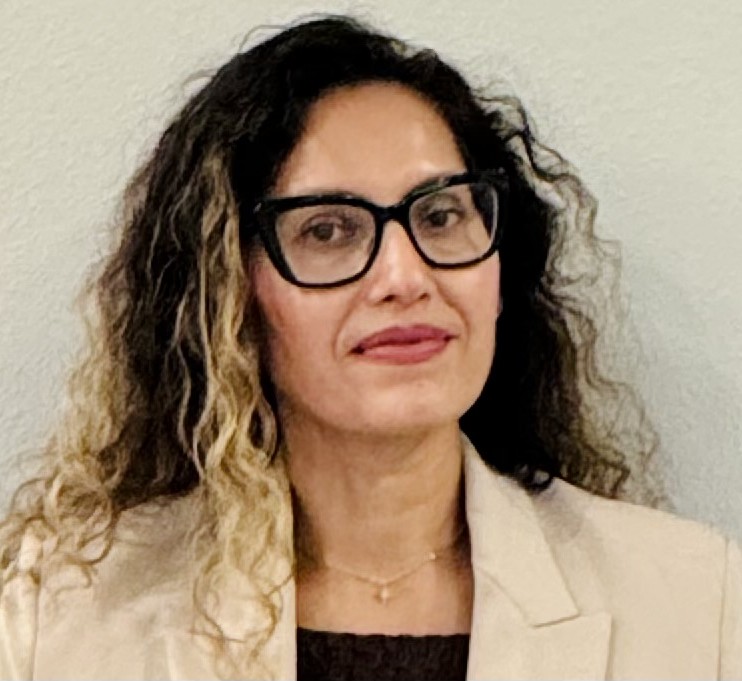
MindBrook Psychiatry offers adult ADHD evaluations in person at University Lakes Professional Park, 14505 Bruce B Downs Blvd, Tampa, FL 33613, and by telehealth anywhere in Florida. Your provider is Dr. Manita Shrestha, a board-certified psychiatric and primary care nurse practitioner (DNP, PMHNP-BC, AGPCNP-BC). Self-pay rates are $250 for the initial psychiatric evaluation and $150 for follow-up visits. Check the insurance page to confirm your plan, or call 813-680-2207.
Learn more about ADHD therapist and psychiatrist care in Tampa, or book an appointment.
Ready for Your Virtual Evaluation?
MindBrook Comprehensive Mental Health Care provides evidence-based, HIPAA-compliant telehealth psychiatry throughout Tampa and Florida, led by Dr. Manita Shrestha, a dual-certified psychiatric and primary care nurse practitioner.
📞 Phone: 813-680-2207 ✉ Email: info@mind-brook.com
Frequently Asked Questions
Trouble starting tasks, time blindness, forgetfulness despite reminders, inner restlessness, strong reactions to criticism, racing thoughts at night, and hyperfocus. People often read these as laziness, anxiety, or stress.
Yes. The CDC found that more than half of adults with a current ADHD diagnosis (55.9%) received it at age 18 or older. Adults who did well in school, or whose symptoms were mostly inattentive, are often recognized later.
DSM-5 requires that symptoms began before age 12. Adults can be diagnosed late, but the history has to show childhood signs. New focus problems that start in adulthood usually point to another cause, such as stress, depression, sleep loss, or a medical condition.
RSD is not a formal diagnosis. Clinicians use the term to describe intense emotional pain after criticism or rejection, which many adults with ADHD report. A clinician can assess emotional reactions as part of an ADHD or mood evaluation.
Yes. ADHD affects how you control attention. Many adults focus deeply on interesting tasks and struggle with routine ones.
ADHD is a lifelong pattern that begins in childhood and affects attention, organization, and impulse control. Anxiety centers on worry and fear and can start at any age. The two often occur together, so a clinician should check for both.
No. Medication is one option. Therapy, coaching, and lifestyle changes help many adults, and many use a combination. You and your provider decide based on your symptoms and health history.
Psychiatrists, psychiatric nurse practitioners, and licensed psychologists typically complete adult ADHD evaluations. A primary care doctor can screen you and refer you for a full evaluation.
Sources
- National Institute of Mental Health. ADHD in Adults: 4 Things to Know. NIH Publication No. 24-MH-3573.
- Staley BS, et al. Attention-Deficit/Hyperactivity Disorder Diagnosis, Treatment, and Telehealth Use in Adults. CDC MMWR, October 10, 2024. mm7340a1.
- Misdiagnosis and missed diagnosis of adult ADHD. BJPsych Advances, Cambridge University Press, 2020.
- American Psychiatric Association. DSM-5-TR diagnostic criteria for ADHD.
This article is for education and does not replace a medical evaluation. Only a licensed clinician can diagnose ADHD. If you are in crisis, call or text 988 or call 911.