An ADHD screening is a short questionnaire that tells you whether your symptoms deserve a closer look. It cannot diagnose anything. A clinical ADHD evaluation, a structured interview with a licensed psychiatric provider, is how most adults actually get diagnosed. Full neuropsychological testing adds hours of cognitive testing and is mainly useful for formal accommodations or complicated cases. It is not a required step for most adults.
Key takeaways
- Screening answers “should I get evaluated?” Only an evaluation answers “do I have ADHD?”
- No single test, including a neuropsych battery, proves ADHD. Diagnosis rests on your history and how your symptoms affect daily life.
- Most adults need a clinical evaluation, not a multi-hour testing battery.
- Check what your school, employer or licensing board requires before you pay for testing.
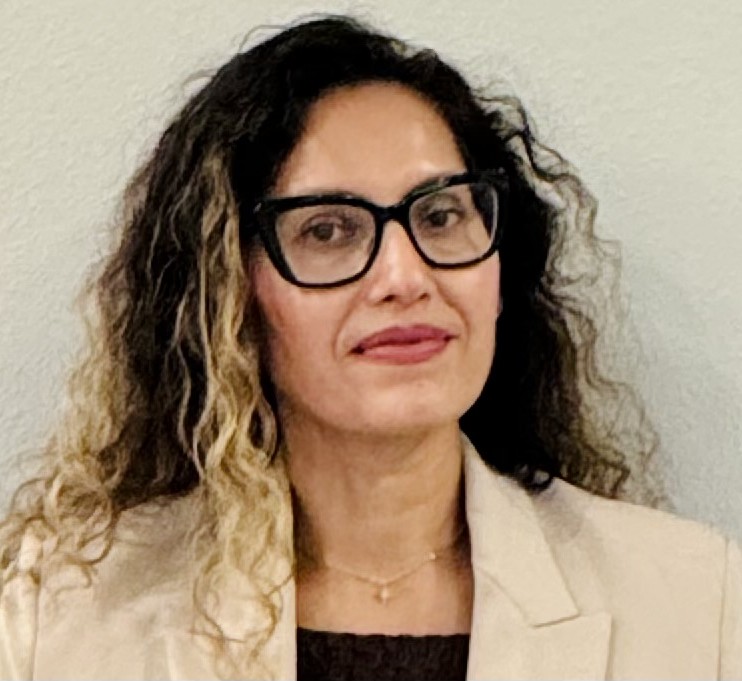
By MindBrook Comprehensive Mental Health Care · [Medically reviewed by Dr. Manita Shrestha, DNP, PMHNP-BC, AGPCNP-BC · Last updated: 2026
The three levels of ADHD testing
Most articles describe two options. In practice there are three.
|
1. Screening |
2. Clinical diagnostic evaluation |
3. Neuropsychological testing |
|
|
What it is |
Brief self-report questionnaire |
Structured interview with a psychiatrist or psychiatric NP, plus rating scales |
Performance-based cognitive tests, interview and written report from a psychologist or neuropsychologist |
|
Time |
5–15 minutes |
60–90 minutes |
Roughly 3–8 hours across sessions; report in about 2–3 weeks |
|
Can it diagnose ADHD? |
No |
Yes |
Yes, when part of a full evaluation by a licensed clinician |
|
Typical Tampa cost |
Free |
About 250–800 self-pay, often insurance-eligible |
About 800–1,200+ self-pay, often more for broad batteries |
|
Best for |
Deciding whether to seek evaluation |
Diagnosis, treatment planning, medication |
Accommodations paperwork, complex cases, learning or memory questions |
Costs vary by provider. Confirm current rates before you book.
What an ADHD screening can (and can't) tell you
Screenings are brief rating scales. For adults, the best known is the Adult ADHD Self-Report Scale (ASRS), developed with the World Health Organization. For children, common tools include the Vanderbilt Assessment Scale. They are quick and free, and they are useful for spotting a pattern.
Screenings also mislead in two directions:
- False alarms. Anxiety, depression, poor sleep, thyroid problems, substance use and chronic stress can all produce the same scattered, forgetful feeling. A high score can’t tell these apart.
- False reassurance. Many adults, especially those who are bright, organized on the surface or in structured jobs, learn to mask symptoms. A low score doesn’t rule ADHD out.
Use a screening as a conversation starter and bring the results to a clinician.
What happens in a clinical ADHD evaluation

This is the diagnostic step for most adults. It is also what our adult ADHD diagnosis guide walks through in detail. In short:
- History. Symptoms now and in childhood, plus medical, family and treatment history.
- Structured interview (60–90 minutes). The clinician looks for symptoms across settings such as work, home and relationships.
- Rating scales, and where possible input from someone who knows you well.
- Differential diagnosis. The clinician rules out or identifies anxiety, depression, sleep problems, PTSD and other conditions that mimic or accompany ADHD. Coexisting conditions are common, and they change the treatment plan.
- Diagnosis and plan. You leave with a diagnosis or a clear explanation of what else may be going on, and a written plan.
The clinician applies DSM-5 criteria. In adults that means five or more symptoms of inattention and/or hyperactivity-impulsivity, present in two or more settings, with several present before age 12, clearly interfering with functioning and not better explained by another condition. The National Institute of Mental Health and the CDC’s adult ADHD resources describe the same framework.
What neuropsychological testing adds
Neuropsychological testing measures how your brain handles specific tasks. A typical battery covers attention, working memory, processing speed, learning and memory, executive functioning, language, and often academic skills and mood.
It is valuable when the question is bigger than “is this ADHD?”:
- Possible learning disorder, such as dyslexia, or a long history of unexplained academic struggle
- Memory or cognitive concerns, including a head injury
- Several overlapping explanations that an interview alone can’t sort out
- A need for detailed, standardized documentation
It has limits. Cognitive tests can come back normal in someone with ADHD, because a quiet testing room is very unlike a chaotic workday. Scores can also look “off” for reasons that have nothing to do with ADHD, such as poor sleep or anxiety. Published critiques from ADHD researchers make exactly this point: the test scores support the clinical picture and don’t replace it.

Do you need neuropsychological testing for ADHD?
You probably don’t need it if:
- You want to know whether ADHD explains a lifelong pattern
- You’re considering treatment, including medication
- You have no pending accommodation requirements
Consider it if:
- You suspect a learning disorder or memory problem alongside ADHD
- An earlier evaluation was inconclusive
- A school, employer, testing agency or disability program asks for standardized testing data
Start with a clinical evaluation and let it tell you whether more testing would change anything.
When you need documentation for accommodations
Requirements depend on who is asking, so ask first.
- Colleges and universities usually go through a disability services office. Many publish their documentation rules online.
- Workplaces. Under the Americans with Disabilities Act, employers must provide reasonable accommodations, and the EEOC explains what documentation an employer can reasonably request. A diagnostic letter is often enough.
- Students may be covered by Section 504, which protects students with disabilities in programs that receive federal funding.
- High-stakes exams (bar exam, medical licensing, graduate admissions) often want recent, comprehensive testing. Get the checklist before you book.
Ask for the requirements in writing and match the evaluation to them. If you pay for neuropsych testing you turn out not to need, that money is gone.
Cost, insurance and wait times in Tampa ,Florida
- Clinical evaluation. Often covered under mental health benefits. At MindBrook the initial evaluation is $250 self-pay, with follow-ups at $150. We accept Aetna, Cigna, United Healthcare, Oscar and BlueCross BlueShield; see our insurance page.
- Neuropsych testing. Coverage varies more and is often self-pay. Ask for a superbill for out-of-network reimbursement.
- Good Faith Estimates. Self-pay patients have the right to a written estimate under the federal No Surprises Act.
- Waits. Some Tampa-area practices book new evaluations weeks out. Telehealth-forward practices often see new patients within days.
Can you do ADHD testing by telehealth in Florida?
The clinical evaluation, yes. It works by secure video for patients located in Florida, and the interview format suits it well. Full neuropsych batteries are mostly in-person, though some practices offer tele-neuropsychology for adults. Our guide to preparing for a virtual psychiatric evaluation covers what to gather and how to set up. Telehealth privacy falls under HIPAA.
What happens after testing
A diagnosis is a starting point. Treatment may include medication management, CBT or DBT, skills coaching, and accommodations. The large NIMH-funded MTA study found combined treatment effective for long-term outcomes. Our ADHD therapist and psychiatrist page explains how these pieces fit together.
How MindBrook approaches ADHD testing
MindBrook provides the clinical pathway: a structured psychiatric evaluation with Dr. Manita Shrestha, a formal DSM-5-based diagnosis, screening for coexisting conditions such as depression or PTSD, and a treatment plan. If your situation calls for formal neuropsychological testing, we’ll say so and coordinate a referral. You can check any clinician’s credentials through the Florida Department of Health license lookup.
Ready for Your Virtual Evaluation?
MindBrook Comprehensive Mental Health Care provides evidence-based, HIPAA-compliant telehealth psychiatry throughout Tampa and Florida, led by Dr. Manita Shrestha, a dual-certified psychiatric and primary care nurse practitioner.
📞 Phone: 813-680-2207 ✉ Email: info@mind-brook.com
Frequently Asked Questions
No. Online tests are screenings. They flag symptoms but can’t assess your history, rule out other conditions or measure impairment. A licensed clinician makes the diagnosis.
No. Most adults are diagnosed through a clinical interview, history and rating scales. Neuropsych testing is added for accommodations, complex histories or suspected learning or memory problems.
A screening takes 5–15 minutes. A clinical evaluation typically takes 60–90 minutes. Neuropsych testing often spans several hours across sessions, with a written report a few weeks later.
Screenings are usually free. Clinical evaluations commonly run about 250–800 self-pay. Comprehensive neuropsych testing is generally higher. Ask for a Good Faith Estimate.
Diagnostic psychiatric evaluations are often covered under mental health benefits. Standalone testing is more often self-pay. Verify with your plan before booking.
A negative screening doesn’t rule out ADHD, particularly if you’ve built strong workarounds. If problems persist across work, home or relationships, a clinical evaluation is worth it.
A psychiatrist or psychiatric NP is a strong fit if you want diagnosis and possible treatment. A psychologist or neuropsychologist adds standardized testing when documentation or a broader cognitive picture is needed.
Ready to find out where you stand?
Book your evaluation in Tampa or by telehealth anywhere in Florida, or call 813-680-2207.
If you’re in crisis, call or text 988 (SAMHSA) or go to your nearest emergency room.